Therapy for individuals and couples who want more than insight alone, they want lasting change in how life, love, and the nervous system actually feel.

At McAdams Counseling & Consulting, we offer depth-oriented therapy for adults and couples seeking real transformation, not just better explanations for the same pain.
Our work is grounded in trauma therapy, attachment theory, neurobiology, somatic therapy, and relational healing. We help people understand and shift the deeper patterns beneath anxiety, grief, conflict, shutdown, emotional overwhelm, intimacy struggles, and the exhaustion of carrying too much for too long.
We are a married clinical team, Craig McAdams and Lyndsey McAdams, and the heart of this practice has been shaped by both advanced training and lived experience. We do not only believe in this work professionally, we live close to it personally. We know how much relationships ask of a body, how old pain can surface in love, stress, parenting, grief, ambition, and change, and how healing often begins not simply when something makes sense, but when your system no longer has to hold it alone.
For us, therapy is not just about insight. It is about creating the kind of space where your body can begin to soften, your story can be met with care, and something deeper can finally shift how you feel, love, and live.
Trauma, Couples, and Somatic Therapy in Shaker Heights and Cleveland Heights, Ohio, and Telehealth Across Ohio and New Mexico
You may be here because something in your life, or in your relationship, is asking for deeper care
Maybe, from the outside, your life looks capable, full, even successful, but inside, something feels strained. You may be anxious, overwhelmed, emotionally tired, disconnected from yourself, or carrying more than anyone can see.
Maybe your relationship matters deeply to you, but the same conflict, distance, or painful pattern keeps returning, despite how much love is there.
Maybe grief, trauma, betrayal, burnout, or a major season of change has left you feeling unlike yourself, less steady, less open, less at home in your own life.
Maybe you have done therapy before. You may already have language for your patterns, insight into your history, and a strong understanding of why things happen. But when it matters most, something still takes over.
Our practice is for people who want to go beneath coping, beneath explanation, and beneath surface-level change. We help you work with the deeper patterns living in the body, the nervous system, and the relational field, so healing can become something you do not just understand, but actually begin to feel and live.
Craig Thomas McAdams MA. LPC
Are you feeling stuck? Let's work together to get unstuck: allowing your creativity to flow uninhibitedly, your emotions to become valuable and digest-able, your aspirations to become realities and your relationships to become more fulfilling. Truth: "Emotional healing begins when we bring mindful, tender awareness to our experience in the body" - Robert Weisz, Ph.D. This quote from my mentor is a perfect summation of the work we will do together. In Mindfulness Based Somatic Emotional Processing, I support you in connecting with your body's intrinsic capacity to process your experiences. You will have my full, mindful, gentle, and curious attention. New client openings for both in person and online.
Craig Thomas McAdams is specialized in Mindfulness Based Somatic Emotional Processing (MBSEP), a transformative approach to emotional and psychological healing. With over 10,000 hours of MBSEP sessions provided, Craig supports individuals and couples in regulating their nervous systems and processing deep emotional experiences. He is also certified in the Psychobiological Approach to Couple Therapy and is developing MBSEP for Couples.

Meet your therapist
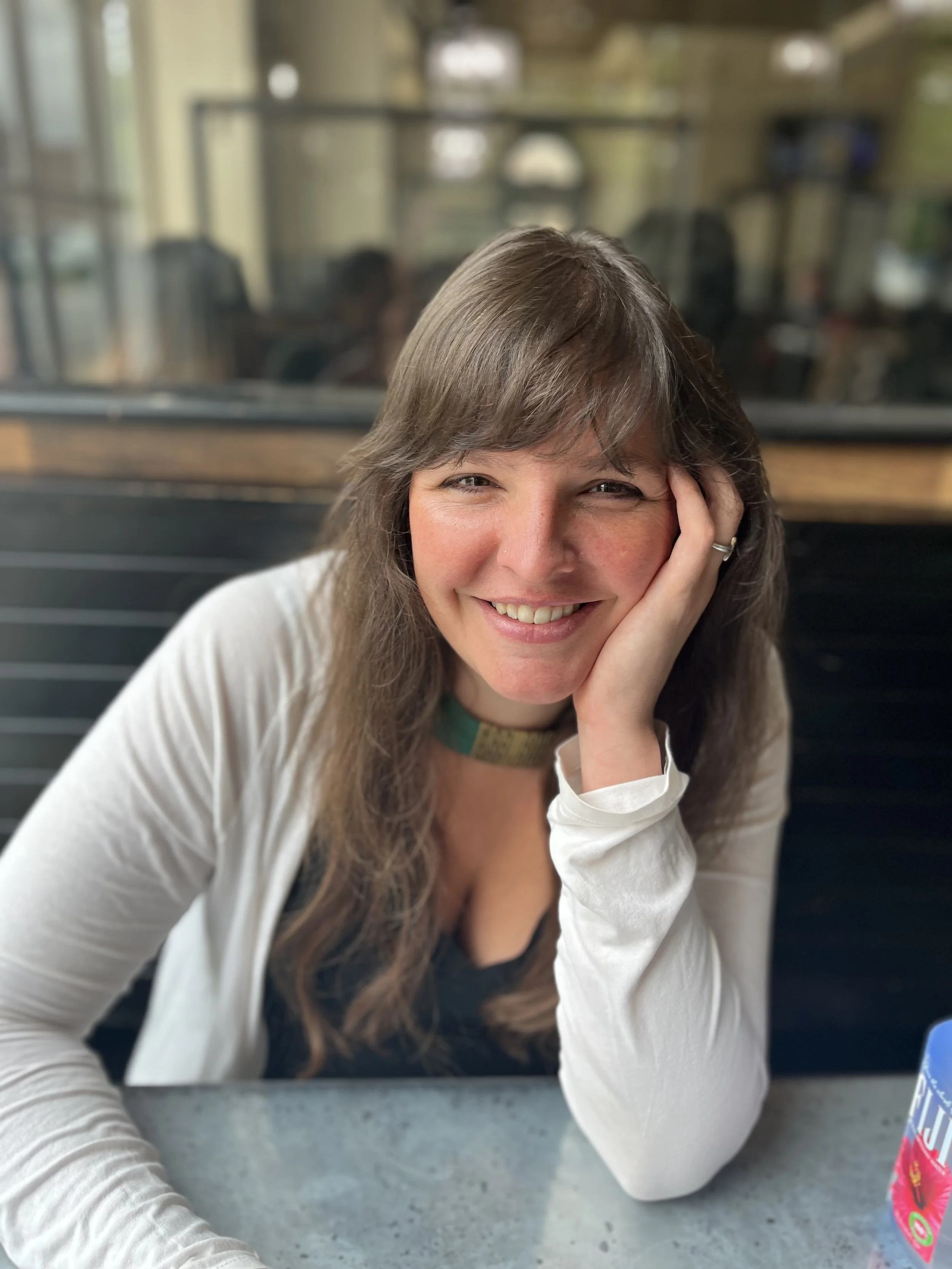
Lyndsey McAdams MA. LPC
You’ve always felt the world a little more intensely than others, the unspoken energy in a room or the lingering grief that doesn’t follow a timeline. Whether you are someone who sometimes feels overwhelmed with being highly intuitive and empathic, are healing from a tumultuous romantic past, or someone navigating deep grief and loss, we can find our way through, together. In my work, I hold space for those on the edge of transformation, the sensitive souls and seekers learning to trust their inner voice, even as the world around them shifts. My approach weaves together trauma informed psychotherapy with the soul, honoring your nervous system’s story and gently tending to what’s been wounded or lost.
My training is grounded in neurobiology, parts work, somatic therapy, and attachment theory. I also offer integrative options like sound healing and nature-based ritual for those who desire deeper connection with their body, accessing altered states of consciousness, and ancestral knowing.If you’re longing for a therapeutic relationship where your grief, sensitivity, and intuition are not only welcomed but respected as sacred gifts of the soul, I’d be honored to walk beside you.
Do you test as an INFP, ENFP, INFJ, or ENFJ on the Myers-Briggs Type Indicator (MBTI Personality Test)? I have found during my 20 years of clinical work, that working with me is very often a good fit with people who test with one these personality types. We seem to speak the same “language”. Not sure about your MBTI type? No worries! You can discover it here: www.humanmetrics.com/personality
A practice shaped by both training and lived experience
We are Craig McAdams and Lyndsey McAdams, a married clinical team, parents, and therapists whose work has been shaped not only by advanced training, but by the real demands and sacredness of being human together.
We know what it is to love deeply. To grow. To repair. To face stress, grief, transition, uncertainty, and the ways life asks more of us than we thought we could hold. We know that relationships can become places of pain, but also places of profound healing. We know that insight matters, but that real transformation often asks for something more embodied, more relational, and more honest.
That lived reality informs the way we practice. It does not make us less clinical. It makes the work more grounded, more attuned, and more real.
Why this practice feels different
Many people come to therapy because something in life no longer feels sustainable.
On the outside, they may still be functioning well. They may be successful, competent, insightful, reliable, or the person others count on. But underneath that, there may be grief that has not fully moved, relational pain that still shapes the present, a nervous system that has stayed braced for too long, or a quiet sense that they have been surviving in ways that no longer fit who they are becoming.
What makes this practice different is that we do not only ask what you think about the problem. We also listen for what your body is doing with it. We pay attention to how stress, attachment, trauma, emotion, and relationship live in real time. We help you understand the deeper pattern, not to label you, but to help you change it.
This work is thoughtful and depth-oriented. It is warm, relational, and clinically grounded. It honors both science and lived experience. It makes room for the practical and the sacred.
Our approach
Our work draws from trauma-informed therapy, attachment theory, somatic and mindfulness-based approaches, interpersonal neurobiology, and nervous system regulation.
In practice, that means therapy here often includes helping you:
understand the pattern beneath the pattern
notice what happens in your body under stress, in conflict, in grief, or in closeness
work with anxiety, shutdown, overwhelm, or over-functioning at the level where it is actually happening
build more capacity for emotional presence, connection, and regulation
create change that is not only intellectual, but lived
We believe healing is not only about telling the truth. It is also about being able to stay with the truth long enough, safely enough, and compassionately enough for it to become transformative.
Who we tend to serve best
Our practice is often a strong fit for adults and couples who:
have insight, but still feel taken over in real-life moments
want depth, not performance
are tired of repeating the same relationship dynamic
are carrying grief, trauma, emotional overload, or chronic self-abandonment
want therapy that includes the body, the nervous system, and the relational field, not just analysis
are looking for a practice that feels thoughtful, warm, and deeply attuned
Some clients come to us because they are in a season of rupture. Others come because they are successful in many areas of life, yet privately know that something essential still hurts. Many come because they want a kind of therapy that feels more human, more embodied, and more honest than what they have experienced before.
Two clinicians, one shared philosophy, two distinct ways of working
Though we share a practice and a core philosophy, we each bring a distinct presence, style, and area of focus.
Craig’s work is especially strong with couples, men, and high-functioning adults who want to understand and shift the deeper patterns underneath conflict, shutdown, shame, emotional overload, and intimacy struggles. His style is warm, grounded, relational, and deeply informed by somatic and nervous system-based work.
Lyndsey’s work is especially strong with emotionally sensitive and high-achieving women, grief, trauma, identity shifts, spiritual depth. Her presence is spacious, intuitive, compassionate, and deeply attuned to the places where pain, meaning, and transformation meet.
They both work with psychedelic integration, and offer Ketamine assisted therapy work both individually and in group or retreat experiences together.
We believe the nervous system matters
People often think their struggle is only emotional, relational, or behavioral. But so much of what feels confusing in life begins as an adaptive response in the nervous system.
The shutdown. The pursuit. The irritability. The numbness. The over-accommodating. The distance. The flood of emotion. The inability to stay present when something vulnerable or important is happening. These are often not signs of failure. They are signs that your system learned how to protect you.
Therapy can help those old protections become less automatic and less costly. It can help you build more capacity for connection, choice, repair, intimacy, steadiness, and self-trust.
That is one of the core commitments of this practice.
If you are new here
You do not need to know exactly what kind of help you need before reaching out.
Some people know immediately who they want to work with. Others first want to get a feel for the practice, the philosophy, and the kind of care offered here.
That is part of why this practice is structured the way it is. You can begin with the shared story, then follow the path toward the clinician or specialty area that feels most aligned.
Explore Specialty Areas
Psychedelic integration therapy
Walk and Talk/nature based therapy
A practice for people who want something deeper
This practice is not built around quick fixes, generic advice, or surface-level reassurance.
It is built for people who want meaningful work. The kind that helps you understand what is happening, feel what is true, and gradually live with more freedom, integrity, and connection.
That work can be profound. It can also be practical. Often, it is both.